Where History Meets the Indian Ocean – A Journey Through Time
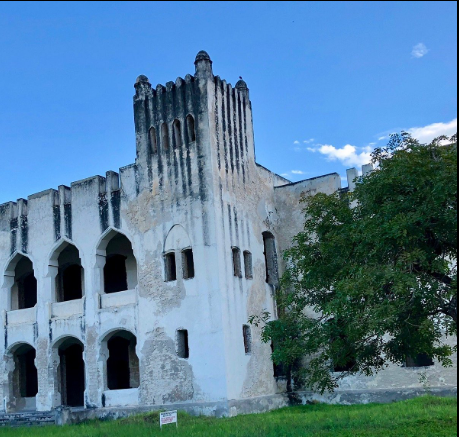
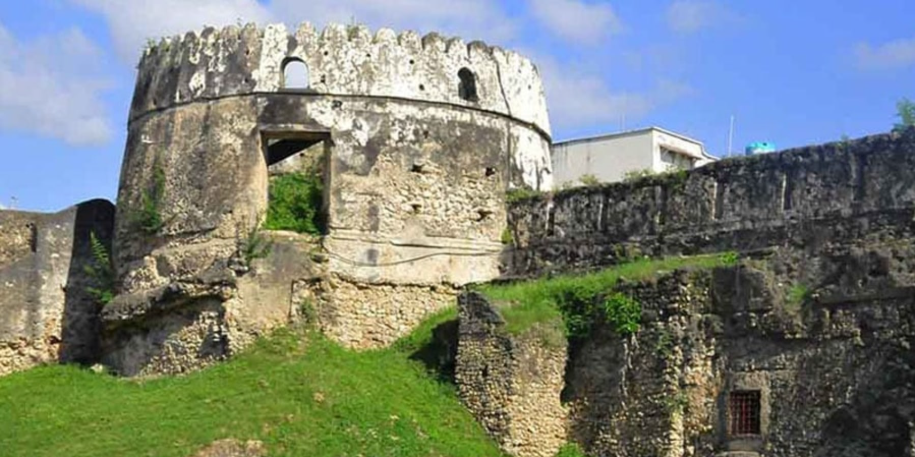
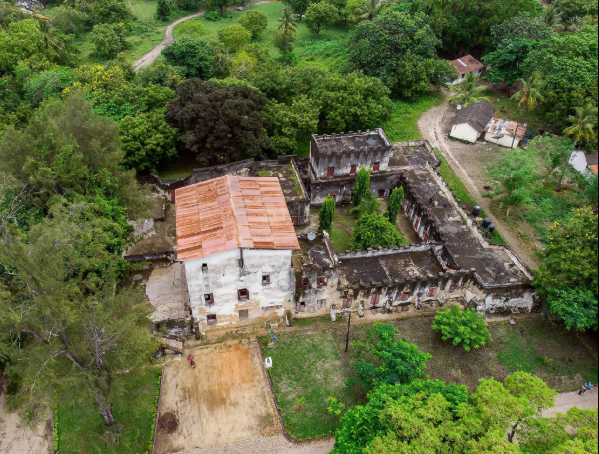
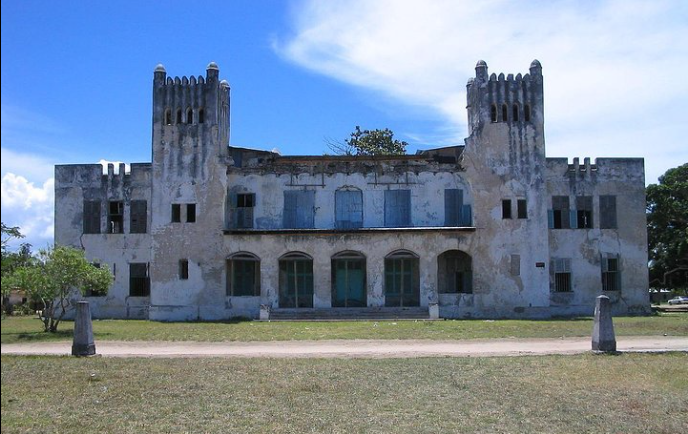
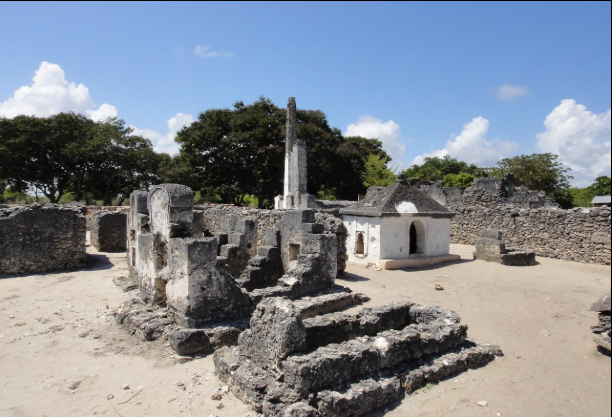
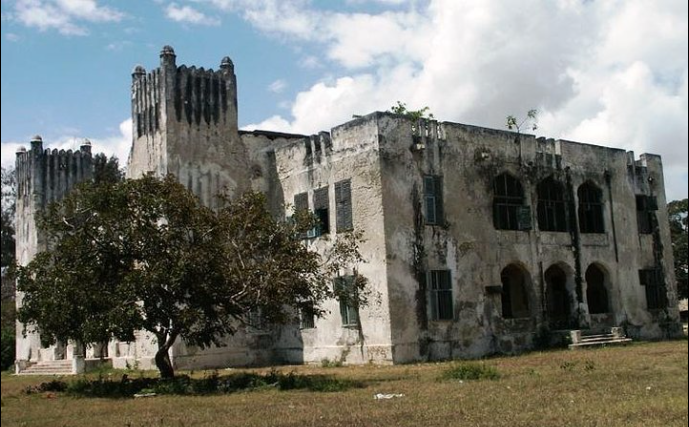
Book Cultural TourOnce a bustling port and the last stop for slaves and ivory caravans, Bagamoyo is one of Tanzania's most historic towns. Its name, meaning "Lay down your heart" in Swahili, reflects the sorrow of those who left Africa from its shores. Today, the crumbling coral stone buildings, German colonial architecture, and quiet beaches tell stories of trade, exploration, and cultural fusion. A UNESCO World Heritage candidate, Bagamoyo is a must-visit for history lovers.
Ancient Trading Port
Historic Museums
North of Dar es Salaam
Tentative Site
Explore the rich tapestry of cultures and histories that shaped this coastal town
Watch traditional wooden dhows sail the ancient trade routes, just as they have for centuries.
Relax on the serene, palm-fringed beaches with views of the Indian Ocean and Zanzibar's silhouette.
Experience vibrant Swahili culture, cuisine, and the famous Bagamoyo spirit of hospitality.
Bagamoyo's tropical climate makes it a year-round destination
Immerse yourself in history, art, and coastal life
Explore the Old Town, German buildings, and Kaole Ruins with a knowledgeable guide.
See the historic mission, Livingstone memorabilia, and learn about early Christianity.
Join a workshop at the College of Arts and paint your own Tinga Tinga masterpiece.
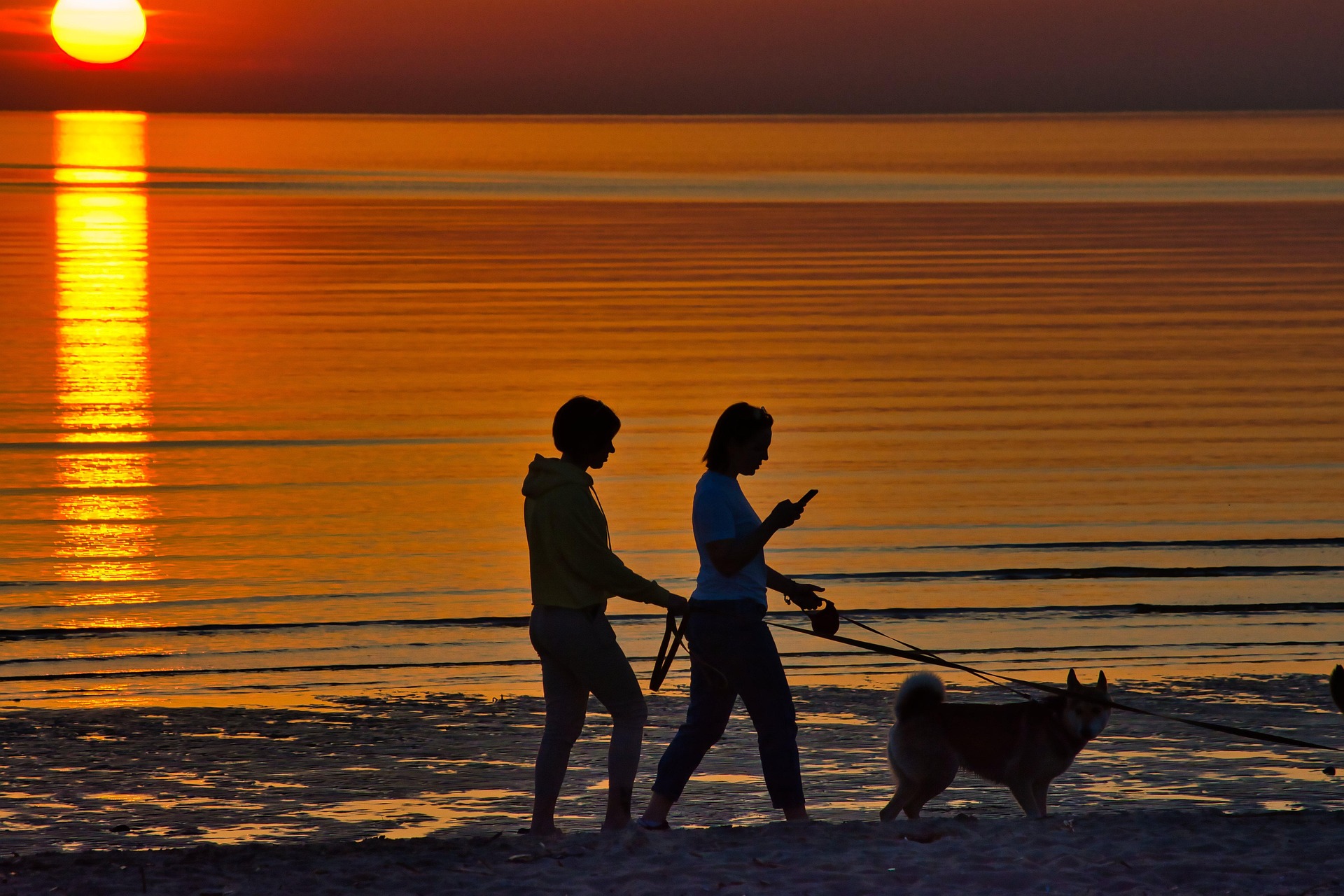
Sail the Indian Ocean in a traditional dhow and watch the sun dip below the horizon.
Bagamoyo lies on Tanzania's coast, just north of Dar es Salaam
Location: Pwani Region, coastal Tanzania
Distance from Dar es Salaam: ~75 km (1.5 hours drive)
Distance from Arusha: ~600 km (8-9 hours drive)
Founded: 18th century as trading post
Nearest City: Dar es Salaam
Nearest Airport: Julius Nyerere International (DAR)
By Road: Paved highway from Dar es Salaam via Morogoro Road
Public Transport: Frequent dalla-dallas and buses from Dar
By Sea: Charter boat from Zanzibar (approx 1 hour)
Getting Around: Walkable town; bicycle taxis available
Sun Protection: Hat, sunscreen, sunglasses for coastal sun.
Footwear: Comfortable walking shoes for ruins.
Camera: Essential for historic architecture.
Guidebook: Helpful for self-guided exploration.
Nearby: Combine with Saadani NP or Zanzibar trip.
Stay: Beach lodges and guesthouses available.
Walk the streets where explorers, traders, and slaves once trod. Discover the soul of Tanzania's coast.