The Land of Blacksmiths – Ancient Iron Masters of the North Pare Mountains
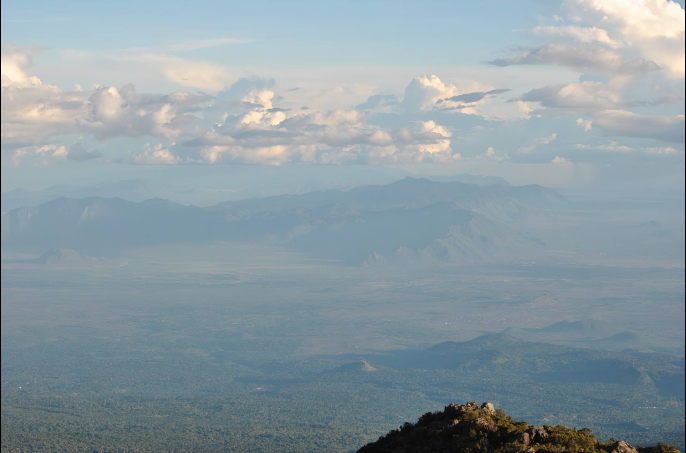
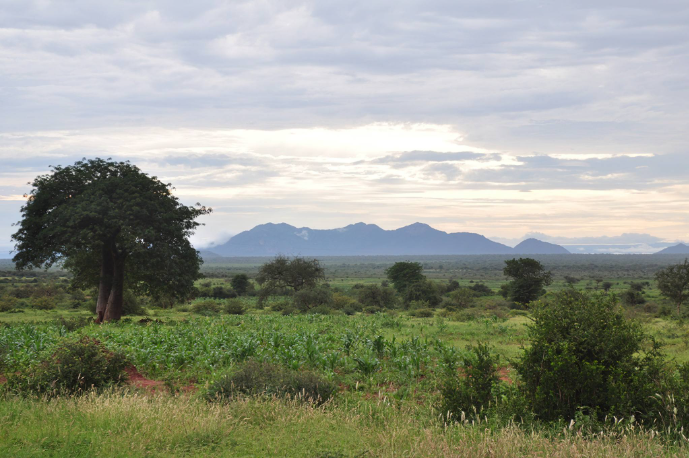
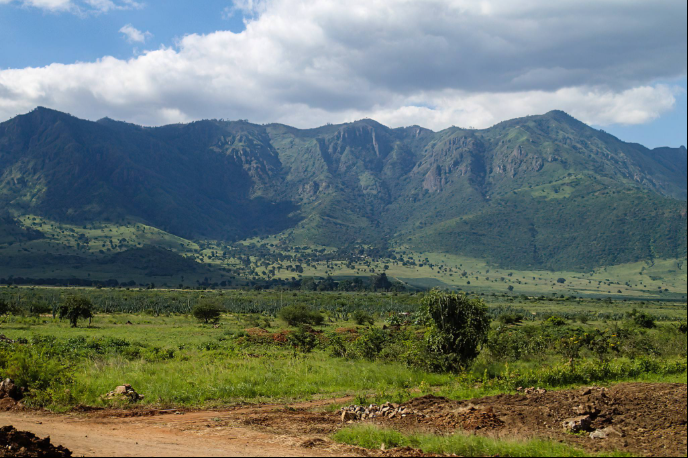
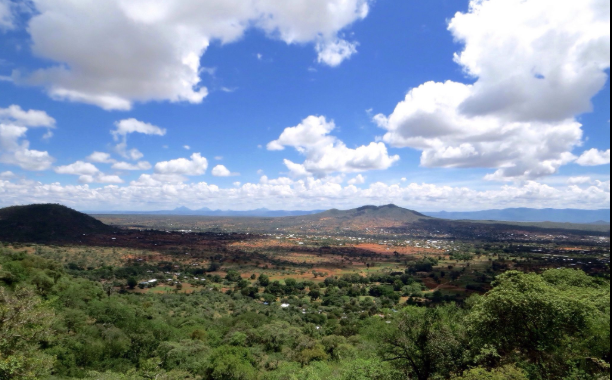
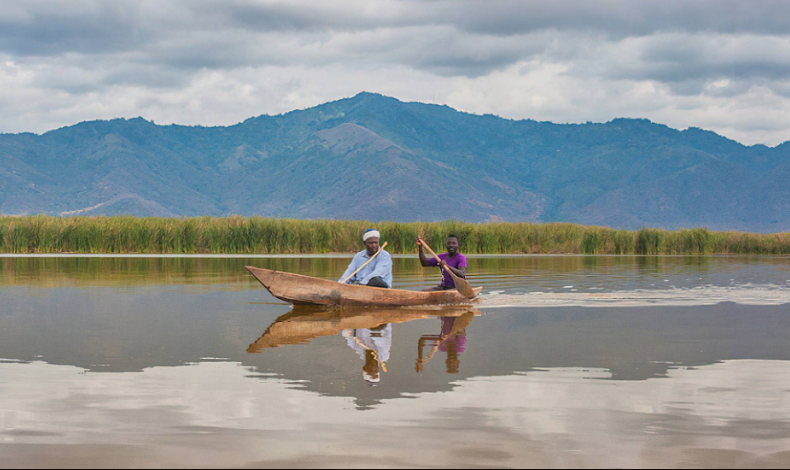
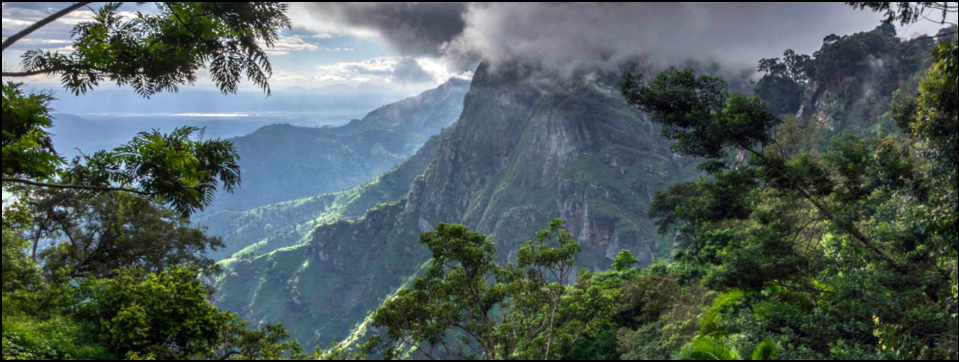
Book Cultural ExperienceHigh in the North Pare Mountains of Tanzania, the Gweno people (Wagweno) have lived for centuries in their ancestral homeland known as Ugweno (or Vughonu). This misty, verdant land is named after a legendary ruler, Mghonu, who led the original inhabitants – the Shana clan, the clan of blacksmiths. For generations, the Gweno were renowned across the region as master ironworkers, supplying tools and weapons to neighboring peoples including the Chaga and Maasai. Today, visitors can explore this living history, witness the remnants of ancient ironworking, and experience the warm hospitality of the Gweno people amidst stunning mountain scenery with views of Mount Kilimanjaro and Lake Jipe.
Clan of Blacksmiths
Mghonu's Rule
Population
Moribund Language
The epic story of the Gweno people, from iron masters to a centralized state
The original inhabitants of Ugweno were the Shana clan, renowned as the clan of blacksmiths. Their skill in iron smelting and forging made the region famous far and wide, with their products in high demand by the Chaga, Maasai, and other neighboring peoples. The very name "Ugweno" derives from a notable Shana ruler, Mghonu, who reigned sometime between the 13th and 15th century. During his rule, the area was known as the "Mountains of Mghonu" as far away as the Taita region in Kenya.
"The skill of the blacksmiths and the resulting valued iron products that made the area popular eventually led to the influx of foreign groups."
The Suya clan migrated to the region, overthrowing the Shana and establishing a new order. Under their rule, Ugweno became one of the great centralized political administration systems for indigenous communities in Tanzania. At its peak, the Ugweno state stretched as far south as Lembeni. The state was headed by a Mangi Mrwe (paramount chief), assisted by councils (chila), ministers (wanjama), and district chiefs (wamangi).
The present-day Gweno people are a mixture of all those who came to make the mountains their home – from Taita, Voi, Chaga, and Southern Pare tribes, as well as the Odongo from Nguru.
Original inhabitants – the clan of blacksmiths. Rule of Mghonu. Known as "Mountains of Mghonu."
Suya overthrow Shana. Centralized state expands. Mranga's reforms.
Powerful ruler completes expansion, incorporates Usangi.
Gweno culture preserved; language moribund (~2,500 speakers).
The Shana clan's iron products were highly sought after by Chaga, Maasai, and other neighboring peoples, making Ugweno a regional economic powerhouse.
Kirembwe – the main dish, a mixture of banana and beans cooked in a clay pot. Crushed into hard porridge (kiumbo). Still prepared for breakfast.
Kigweno is spoken mostly by older adults; children have not been exposed since the 1970s. UNESCO considers it moribund. Preservation efforts ongoing.
A unique Bantu language on the edge of memory
The Gweno are included under the blanket ethnic term "Pare," but their proper ethnonym for the majority group in the Pare Mountains is Asu. All Gweno are bilingual in Asu, and most also speak Swahili.
Despite these challenges, the Gweno maintain a distinct cultural identity rooted in oral traditions and ancestral heritage.
Plan your journey to the North Pare Mountains
Discover the living heritage of the North Pare Mountains
Meet Gweno elders, hear oral traditions, and learn about the Shana blacksmith legacy in local homes.
Visit the beautiful inter-territorial lake straddling Tanzania and Kenya, with endemic fish and water birds.
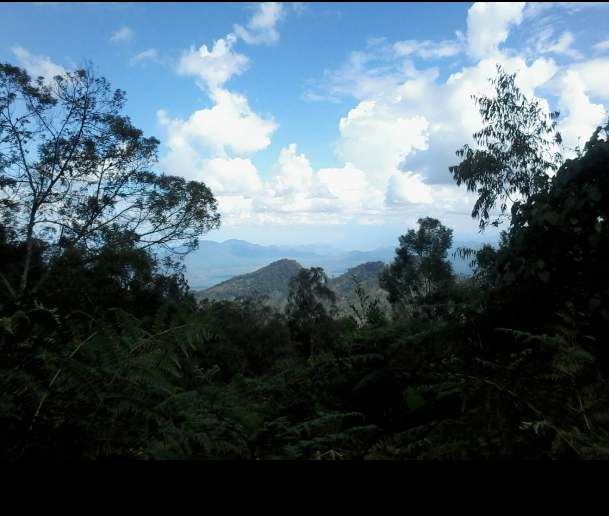
Trek through the North Pare Mountains with stunning views of Kilimanjaro and the surrounding plains.
Explore the terraced farms where Gweno families grow coffee, bananas, and traditional crops.
Ugweno is located in the North Pare Mountains, Mwanga District, Kilimanjaro Region
Coordinates: 3° 39' 0" South, 37° 39' 0" East
Distance from Moshi: ~100 km (2.5-3 hours drive)
Distance from Arusha: ~200 km (4-5 hours drive)
Nearest Town: Mwanga (on the main highway)
Region: North Pare Mountains, Kilimanjaro Region
Nearest Airport: Kilimanjaro International (JRO)
By Road: From Moshi, take the T2 highway towards Same/Dar es Salaam, turn at Mwanga town towards the mountains
Public Transport: Buses from Moshi to Mwanga, then local transport to villages
Village Access: 4WD recommended for mountain roads; local guides essential
Guide: Local guides can be arranged through community tourism initiatives
Footwear: Sturdy hiking shoes for mountain trails.
Clothing: Layers – mountains can be cool; prepare for sun.
Camera: For Kilimanjaro views and village life.
Respect: Ask permission before photographing people.
Nearby: Combine with Mkomazi NP, Lake Jipe, or Pare Mountains trek.
Local Food: Try Kirembwe if offered!
Walk the ancient paths of iron masters, hear the stories of Mghonu, and experience the living culture of the Gweno people.