Maasai Boma • Kondoa Rock Art – Living Culture & Ancient Masterpieces
Book Cultural SafariThe Irangi region, nestled along the Rift Valley escarpment in central Tanzania, offers a rare combination of living culture and ancient history. Here, you can step into a traditional Maasai boma and experience the semi-nomadic life of one of Africa's most iconic peoples. Just a short journey away lie the Kondoa Rock-Art Sites, a UNESCO World Heritage treasure with paintings dating back over 40,000 years – a continuous record of human spirituality and survival.
Years Old (Kisese II)
Rock Art Shelters
World Heritage (2006)
Maasai Culture
Two profound experiences – one journey into Tanzania's soul
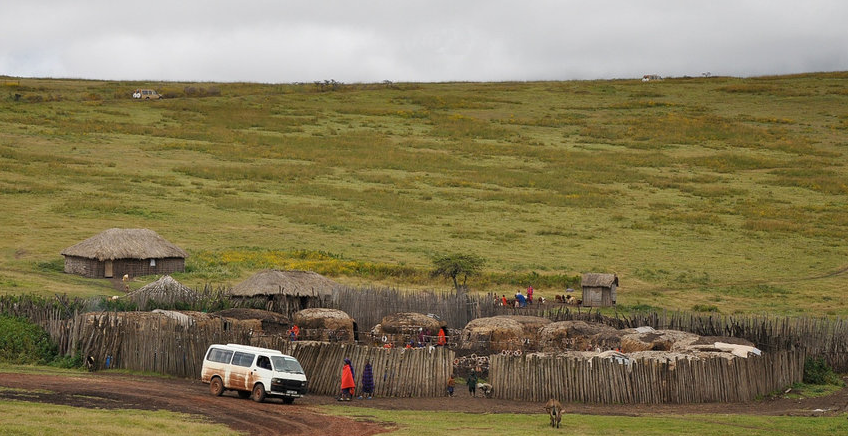
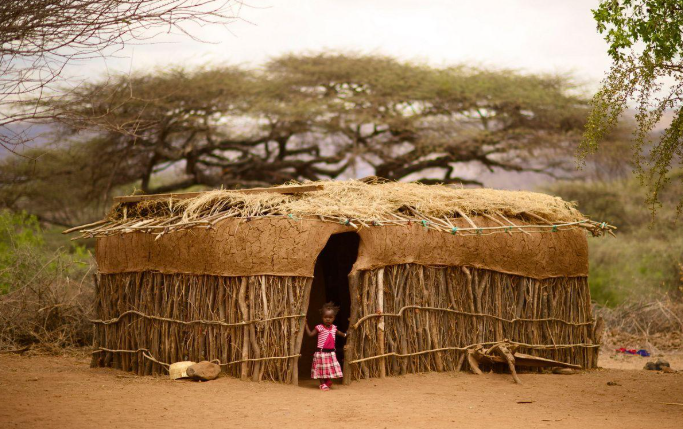
The Maasai are a proud, semi-nomadic pastoral people who co-exist with wildlife in the Ngorongoro Highlands and across northern Tanzania. A visit to a traditional boma (homestead) offers an authentic window into their daily life, age-old customs, and profound connection to the land.
"One of the most striking, beautiful and genuine experiences in Tanzania... The lecture in the Maasai museum was so educative, the people there were so knowledgeable." – Olpopongi visitor
Locations: Maasai bomas can be visited in Ngorongoro Highlands (Seneto, Irkeepus), near Mto wa Mbu (over 120 tribes represented), and West Kilimanjaro (Olpopongi Cultural Village)
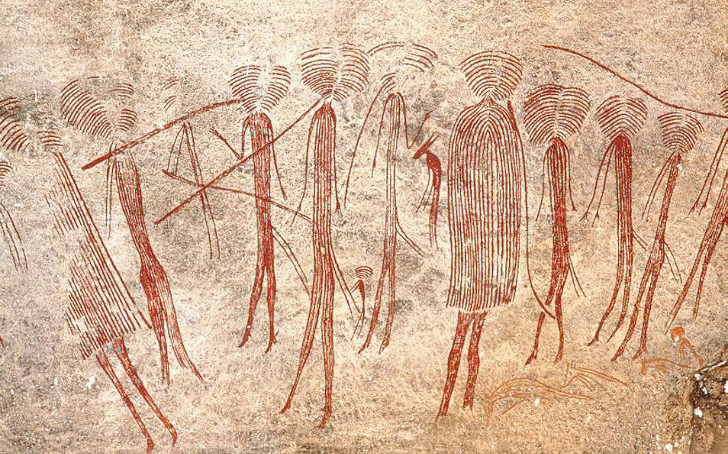
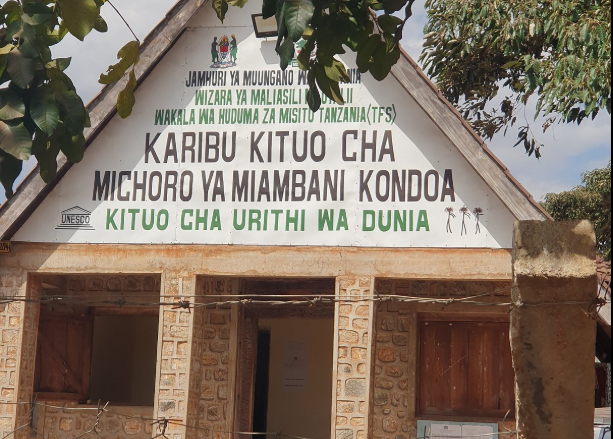
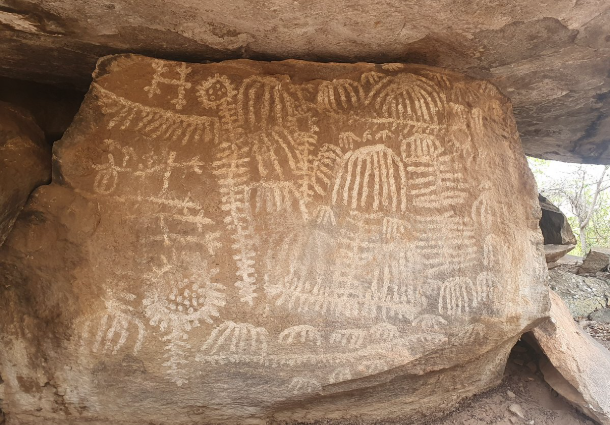
Declared a UNESCO World Heritage Site in 2006, the Kondoa Rock-Art Sites are one of Africa's most remarkable collections of ancient paintings. Scattered across the granite boulders of the Rift Valley escarpment, these shelters contain thousands of images that span from the Late Stone Age to the present day – a living artistic tradition.
"Africa's rock art is the common heritage of all Africans, but it is more than that. It is the common heritage of humanity." – Nelson Mandela
Location: 20km north of Kondoa town, Kondoa District, Dodoma Region. Access via T5 highway from Dodoma to Babati
The Maasai boma is not a museum piece – it's a living, breathing community where ancient traditions continue to thrive alongside the modern world.
Kondoa's rock shelters are still used for Sandawe healing ceremonies and Maasai rituals – a 40,000-year-old spiritual tradition that endures today.
Cultural tourism programmes in Mto wa Mbu and Olpopongi ensure that tourism dollars directly support Maasai and other local communities.
Plan your Irangi heritage journey for optimal experiences
Ways to explore Maasai culture and ancient rock art
Immerse in Maasai life: welcome dances, village tour, fire-making demonstration, and cultural exchange.
Guided visit to Kolo or Thawi sites with local expert. Learn about painting techniques, meanings, and conservation.
Sleep in a traditional hut, enjoy campfire stories, stargaze, and wake to village life. Highly recommended for deeper connection.
Combine Maasai boma visit with Kondoa rock art in a 2-3 day safari from Arusha. Includes Ngorongoro or Tarangire extension.
The Irangi region spans northern and central Tanzania – two destinations, one journey
Ngorongoro Highlands: Seneto, Irkeepus (off road to Serengeti)
Mto wa Mbu: 120 tribes, village walks, nearby Lake Manyara
West Kilimanjaro: Olpopongi Cultural Village (74km from Moshi)
Access: 4WD recommended for remote bomas; guided tours essential
Location: 20km north of Kondoa town, Dodoma Region
Road: 9km east of T5 highway (Dodoma-Babati)
Access: 4WD required; climb to shelters (steep in places)
Nearest Town: Kondoa (fuel, supplies, accommodation)
Nearest Airport: Arusha (for northern circuit) or Dodoma (for central)
Footwear: Sturdy hiking shoes for rock art sites.
Sun Protection: Hat and sunscreen essential.
Camera: Flash photography prohibited at rock art.
Respect: Ask permission before photographing Maasai.
Combine with: Tarangire, Ngorongoro, or Lake Manyara.
Water: Carry sufficient water for hikes.
From the vibrant dances of a Maasai boma to the silent spirits of 40,000-year-old rock art – Irangi awaits.