Inquire About Kilimanjaro!

Mount Kilimanjaro

Conquer Africa's Highest Peak - The Roof of Africa Awaits You

Book Your Climb

Mount Kilimanjaro

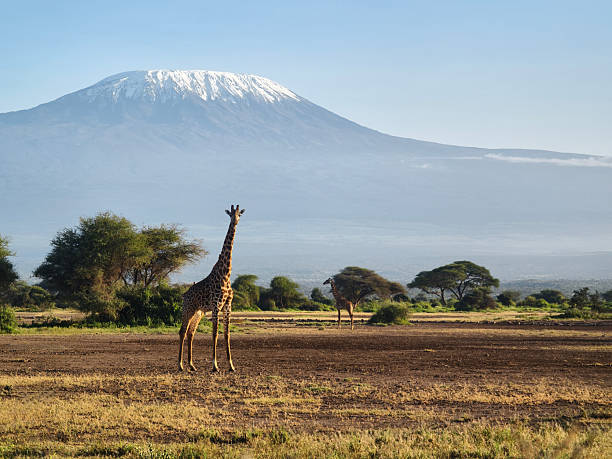
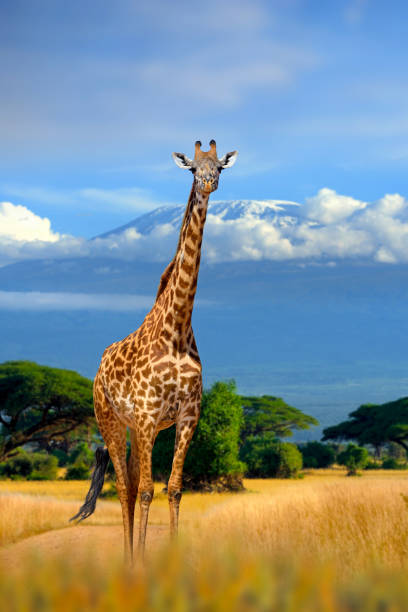
Mount Kilimanjaro, located in Northern Tanzania, is Africa's highest mountain and the world's tallest free-standing mountain. Standing at 5,895 meters (19,341 ft), it offers a once-in-a-lifetime trekking experience through five distinct ecological zones to the iconic Uhuru Peak.

5,895m

Summit Elevation (Uhuru Peak)

#1

Highest in Africa

3

Volcanic Cones

5-9 Days

Climb Duration
Mount Kilimanjaro

Five Ecological Zones

Experience five distinct climate zones as you ascend from tropical rainforest to arctic summit

Above 5,000m

Arctic Summit Zone

Ice fields and glaciers with oxygen levels at about 50% of sea level. Extreme conditions with sub-zero temperatures.

4,000–5,000m

Alpine Desert Zone

Sparse vegetation, extreme temperature variations, and strong winds. Minimal plant and animal life.

2,800–4,000m

Heath & Moorland Zone

Giant lobelias and senecios dominate the landscape. Open vistas with cooler temperatures.

1,800–2,800m

Rainforest Zone

Dense forest with high rainfall. Home to colobus monkeys, blue monkeys, and rich birdlife.

800–1,800m

Cultivated Zone

Farms, villages, coffee and banana plantations. Starting point for most climbs.

Climbing Routes

Choose from several routes based on difficulty, scenery, and duration

Marangu Route

"Coca-Cola Route"

Moderate
5-6
Days
70%
Success Rate
Popular
Traffic

The only route with mountain hut accommodation. Less scenic but more comfortable.

Machame Route

"Whiskey Route"

Challenging
6-7
Days
85%
Success Rate
High
Traffic

Scenic and varied route with tented accommodation. Higher success rate due to better acclimatization.

Lemosho Route

"Scenic Route"

Moderate
7-8
Days
90%
Success Rate
Low
Traffic

Beautiful and remote approach with excellent acclimatization profile. Highest success rate.

Rongai Route

"Northern Route"

Moderate
6-7
Days
80%
Success Rate
Moderate
Traffic

Approaches from the north near Kenya border. Drier conditions and less crowded.

Best Time to Climb

Plan your ascent based on weather conditions and climbing seasons

January - March

  • Clear skies and good conditions
  • Slightly warmer than June-October
  • Good for acclimatization
  • Less crowded than peak season
  • Colder summit temperatures

Rainy Seasons

  • April-May & November
  • Wet conditions on lower slopes
  • Fewer climbers
  • Lower prices
  • Requires proper rain gear

Conservation & Importance

Mount Kilimanjaro National Park is a UNESCO World Heritage Site

🌍 Conservation Importance

Vital Water Catchment

Source of water for surrounding communities and agriculture

Glacier Preservation

Home to Africa's few remaining glaciers, now rapidly receding

Forest Protection

Critical rainforest habitat that requires active conservation

Unique Ecosystems

Protection of rare high-altitude flora and fauna

Kilimanjaro Conservation

Visitor Experience

Who should climb Kilimanjaro and what to expect

Adventure Travelers

Seeking the ultimate African adventure and physical challenge

First-Time Climbers

No technical climbing required - a trekking peak accessible to fit beginners

Photographers

Stunning landscapes and unique ecological zones for photography

Bucket-List Explorers

Life-changing achievement of standing on Africa's highest point

Ready to Conquer Kilimanjaro?

Join our expert-guided climbs with experienced local guides, proper acclimatization schedules, and comprehensive support